Reading ingredients in context.
The Atalen method combines source tracing, label reading, local relevance, and a second editorial pass. It is a deliberately unhurried way of working, built for a subject where wording matters as much as substance.
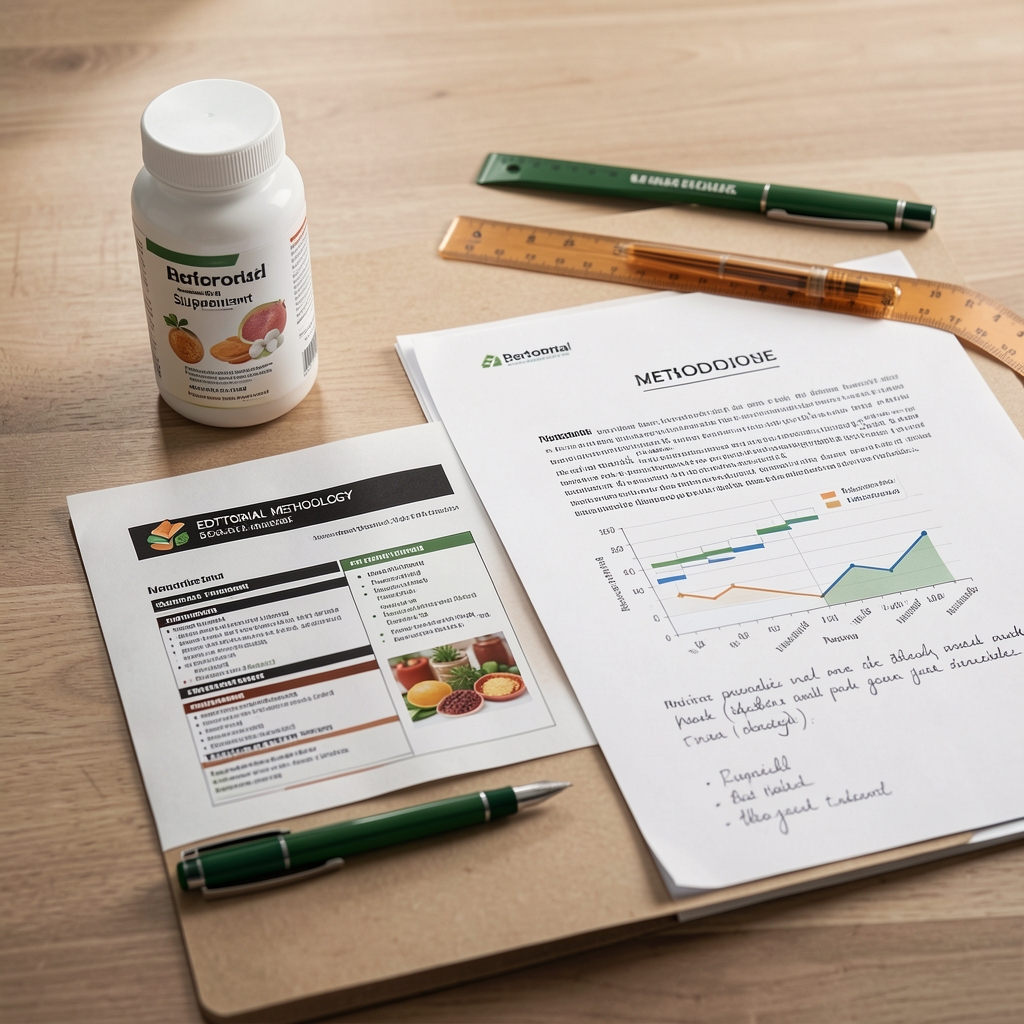
A four-layer review.
First, the desk identifies what a product or ingredient actually says. Second, it compares that language with published nutritional research and recognised food sources. Third, it places the discussion inside a daily routine for active men in Jakarta. Finally, a second editor checks clarity, dates, and attribution before anything is published.
Each layer is recorded separately in the working file for a story, so that a reader-facing article can be traced back to the notes that produced it. This separation is what keeps observation distinct from interpretation throughout the writing process.
- Ingredient and serving language recorded precisely.
- Sources dated and linked in the working notes.
- Claims separated from observations.
- Corrections retained in the article history.
What each story includes.
Before a feature is scheduled, it passes through the same set of checkpoints. The table below summarises what each checkpoint is asking and what a published article should show as a result.
| Layer | Question | Published signal |
|---|---|---|
| Source | Where does the ingredient information come from? | Named reference or label passage |
| Context | What food and movement habits surround the ingredient? | A described daily pattern, not an isolated claim |
| Locality | How does this apply to an active man reading from Jakarta? | Local food, retail, or routine references |
| Edit | Has a second person checked clarity and wording? | A dated, reviewed final draft |
| Correction | Was anything revised after publication? | A visible note if a correction was made |
The editorial workflow, step by step.
A single feature typically moves through five stages between the first note and the final published page.
- Topic framing. A writer proposes an ingredient, habit, or reader question worth covering, along with the angle the piece will take.
- Source gathering. Label language, manufacturer information, and published nutritional references are collected and dated.
- Local grounding. The draft is checked against everyday routines in Jakarta — commuting patterns, common meals, and typical training schedules.
- First draft. The writer produces a full draft that separates factual description from any broader discussion.
- Second edit. A second editor reviews wording, checks that no claim exceeds what the sources support, and confirms the publication date.
How corrections are handled.
When a factual error is identified after publication, the article is updated and a short note is added describing what changed and when. Atalen does not remove the record of a correction; it keeps the history visible so that readers can see how a piece has evolved.
Questions about the method, answered briefly.
- Does Atalen test products directly? No. The desk works from published research, label language, and documented food sources rather than running its own laboratory testing.
- Are articles updated over time? Yes. When new source material or a correction becomes relevant, the article is revised and the change is noted.
- Who writes the features? A small group of Jakarta-based editorial writers, each credited by name at the top of their article.
- Is any of this personal advice? No. The content is editorial and general in nature; readers with specific questions are encouraged to speak with a qualified professional.